

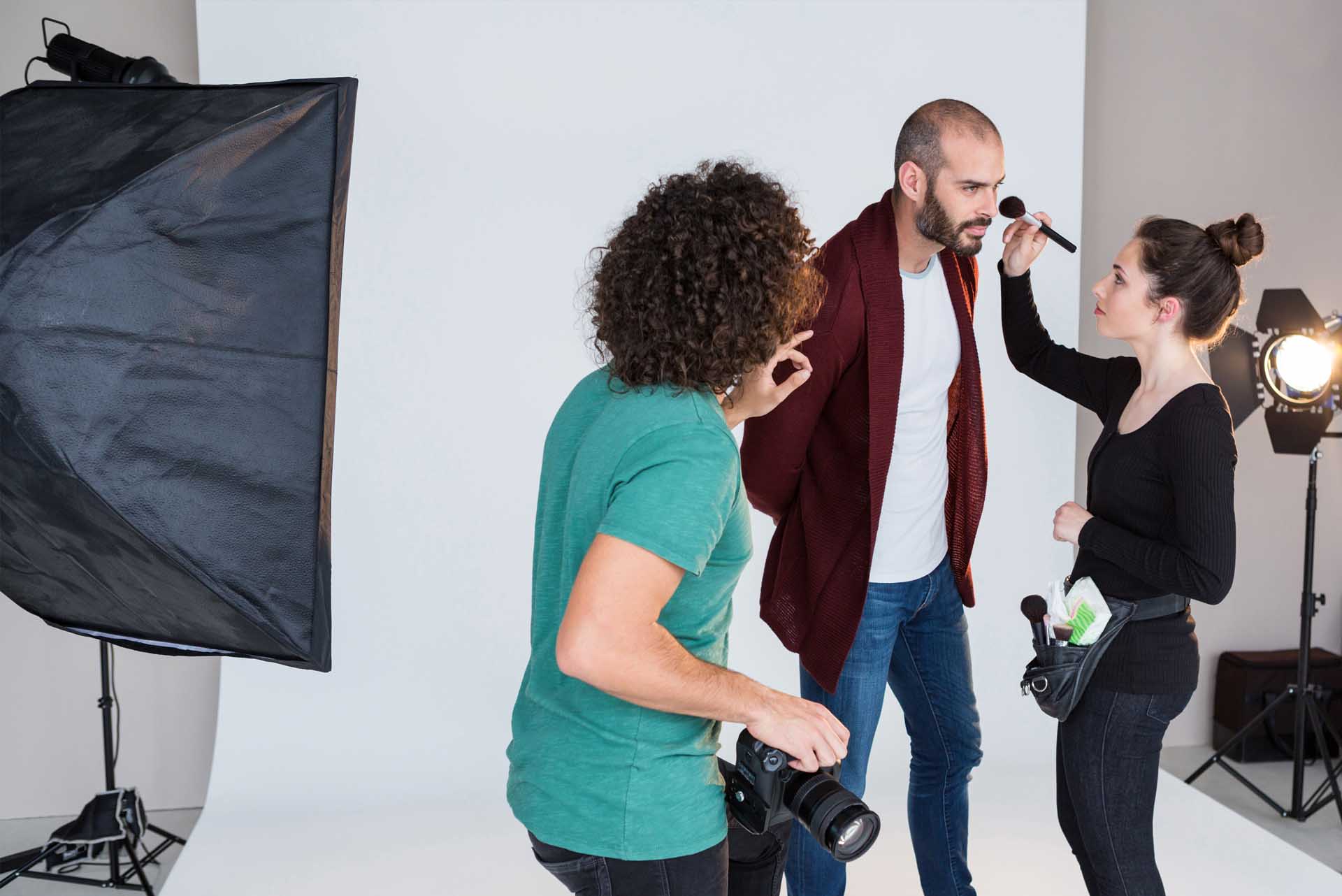
Project Photos That Sell: Visual Marketing for Contractors
Construction is a visual business. Customers may not understand every technical detail of your process, but they understand clean lines, finished spaces, and careful workmanship when they see them — and the data suggests that's not a minor factor in their decision, it's often the deciding one. In a 2024 Houzz survey of U.S. homeowners, 84% said photos of completed projects were a primary factor in how they evaluated a contractor. That puts photography ahead of almost everything else you could put on a website or profile.
That's why photography is one of the highest-leverage marketing assets a contractor can build. Strong images improve websites, proposals, Google profiles, social posts, and ads all at once — one shoot, five channels, and the return compounds every time you reuse it.
Why Average Phone Photos Hurt Good Work
Dark rooms, cluttered backgrounds, tilted angles, and unfinished staging make quality look average. Buyers then assume the work is average too. This isn't a stretch — it's the same mechanism that shows up clearly in the real estate industry, where photography's effect on perceived value has been studied extensively. Professionally photographed listings sell 32% faster, for $3,400–$11,200 more on average, and 83% of buyers say high-quality photos directly increase how they perceive the value of a property. The exact numbers won't map one-to-one onto a construction project, but the underlying psychology does: people price what they see, not what they're told, and a poorly lit photo of excellent work still reads as lower quality.
The gap is real even within the industry. Product photography research shows professionally shot images convert roughly 40% better than the same items shot casually on a phone or plain background — and that gap costs compounds, not just single sales, since a weak image gets reused across every channel it touches. Professional or carefully planned project photos remove that handicap and let your craftsmanship speak clearly.
The Shots Worth Capturing on Every Job
- True before photos from the same angles as the afters. This is the single most persuasive format available to a contractor. Websites with before-and-after galleries have been shown to lift conversion rates by roughly 34%, and on social platforms, before/after posts consistently generate 4–5x more engagement than plain text or single-photo posts.
- Wide finished shots that show the full space or elevation. Buyers need to picture their own project in yours — a wide shot does that better than a close detail ever will.
- Detail shots of craftsmanship and materials. This is what separates you from a competitor who does comparable but less careful work; specificity is what makes a homeowner think "that's exactly my problem" or "that's exactly the finish I want."
- Progress photos that explain complex scopes. These build trust in the process, not just the outcome, which matters most on higher-ticket jobs where the buyer is nervous about a multi-week crew presence in their home.
- Crew and truck photos that humanize the company. These pair naturally with the trust-building role a professional appearance already plays before a word is spoken.
Where Photos Pay Off Fastest
Start with your homepage and service pages, then update your Google Business Profile. Profiles with photos get roughly 30–50% more views than listings without them, and profiles that post fresh photos regularly outrank and outperform static ones — freshness signals activity, and activity signals a business that's actually working right now, not one that did good work two years ago and stopped updating.
From there, reuse the same assets in proposals and social media. One strong project shoot can feed weeks of marketing without needing constant new production — and the return on doing this well is durable. A documented job from two years ago still wins customers today; a good before/after set doesn't expire the way a seasonal ad does.
Build a Photo Habit Into the Job Process
The best marketing systems do not rely on memory. Add photography checkpoints to your project workflow: start, midpoint, punch list, and final completion. Even a simple process produces a better library than occasional last-minute snapshots — and the "simple" part matters more than the "professional" part for most of these checkpoints. You don't need a professional camera for progress and detail shots; a phone camera with good lighting and a steady hand covers most of the job. Save the higher production value (or an actual photographer) for the final, hero shots that go on your homepage and Google profile — those are the images doing the most persuasive work, and they're the ones worth the extra ten minutes to get right.
If Your Site Still Runs on Outdated Photos
If your current site still depends on outdated or low-quality images, upgrading your visual proof can improve conversion across every channel without changing your core offer. That's the real appeal of this fix: unlike a rebrand or a new website build, it's incremental, it's cheap relative to the return, and it improves everything downstream — your Google profile, your proposals, your ads, your social feed — from the same underlying library of photos.
Statistics in this piece are drawn from multiple 2025–2026 marketing research sources, including Houzz's 2024 U.S. homeowner survey, Redfin/real-estate photography research (as an analogue for the effect of image quality on perceived value), Marketing LTB's remodeling marketing statistics, and industry benchmarking from WebFX and HomeProBadge. Real estate-derived figures illustrate the general effect of photo quality on perceived value and are not construction-specific; conversion and engagement figures vary by source and should be treated as directional.
Want help putting this into action?
Explore our Custom Photography Services or contact Construction Sites for a practical plan built around your trade and service area.
Talk With Us